
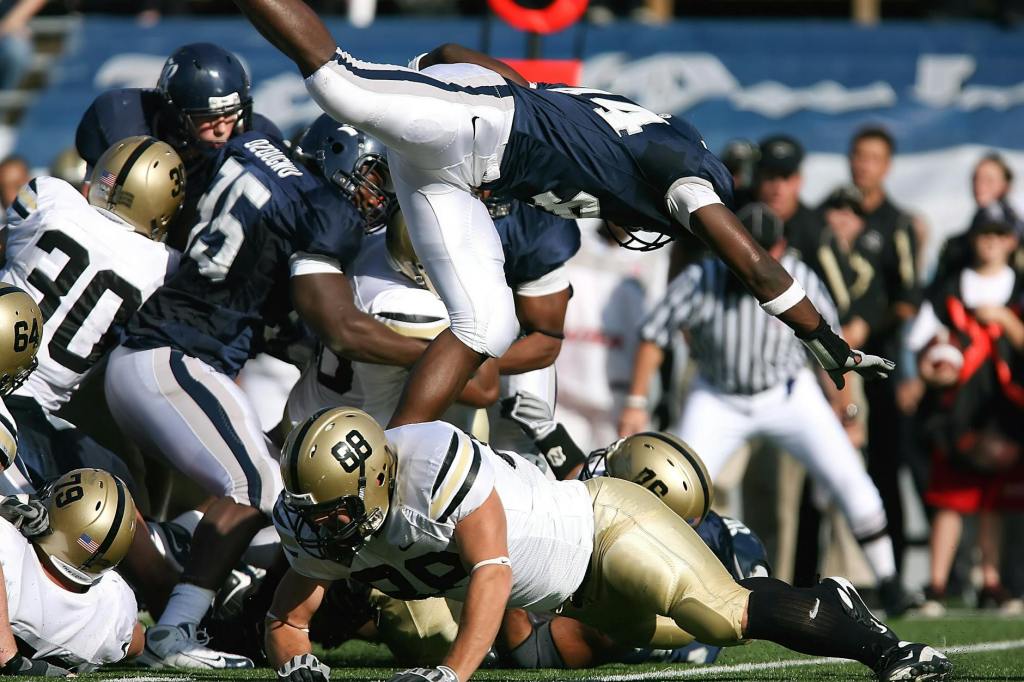
In the realm of corporate partnerships, the recent announcement by Moody’s Corporation to become the Official Cornerstone Partner of MetLife Stadium—home to the New York Giants and New York Jets—has raised several eyebrows. While Moody’s, a leading global provider of credit ratings and risk analysis, positions this as a strategic move aligning with its new branding campaign, the wisdom of this decision warrants a closer examination, especially from an international perspective.
Questionable Alignment with Core Business
Firstly, Moody’s core business revolves around financial analysis, risk assessment, and providing clear insights into complex economic landscapes. Its decision to affiliate closely with a sports entity—particularly one as regionally specific as the NFL—strays markedly from its primary objectives. Unlike consumer brands that benefit directly from mass audience exposure, Moody’s services are niche, targeted at investors and financial professionals. This raises the question: Does the average NFL fan represent Moody’s clientele?
Risk of Diluting Brand Value
Moody’s reputation as a sober, analytical voice in the financial sector could potentially be diluted by the flashy, entertainment-driven nature of NFL games. The partnership may confuse stakeholders about Moody’s brand values and priorities. The NFL is beloved for its high-energy games and entertainment value, aspects that do not necessarily correlate with the gravitas expected of a leading risk assessment firm.
International Perception and Relevance
From an international perspective, the NFL, while enjoying popularity in the United States, does not hold the same level of interest globally as sports like soccer or basketball. The partnership might not resonate with Moody’s global stakeholders, particularly in markets where American football is less followed or understood. This move could seem irrelevant or even puzzling to international clients, who are crucial to Moody’s global operations.
Inadequate Representation in Sports Partnerships
Subscribe to get access
Read more of this content when you subscribe today.
The Specter of Conflict of Interest
Aligning with specific NFL teams also opens up potential perceptions of bias or conflict of interest in Moody’s future business dealings. For instance, could financial assessments involving other NFL teams or related sports ventures be perceived as less objective? Such perceptions, even if unfounded, could undermine trust in Moody’s ratings.
A Better Path Forward?
Moody’s could better leverage its resources by partnering with organizations or initiatives that align more closely with its mission of understanding and mitigating risk. Potential avenues could include educational programs in economics or partnerships that highlight data analytics in various sectors, not just sports. These alignments would bolster the perception of Moody’s as a thought leader in risk assessment and financial clarity.
In conclusion, while the partnership with MetLife Stadium may offer short-term visibility gains, it risks Moody’s long-term reputation for neutrality and depth in financial analysis. The firm might need to tread carefully to ensure this venture does not alienate its core audience or dilute its valued brand in pursuit of broader, but less suitable, exposure.


















 ^^^ RATING EVIDENCE GmbH
Leave a comment