
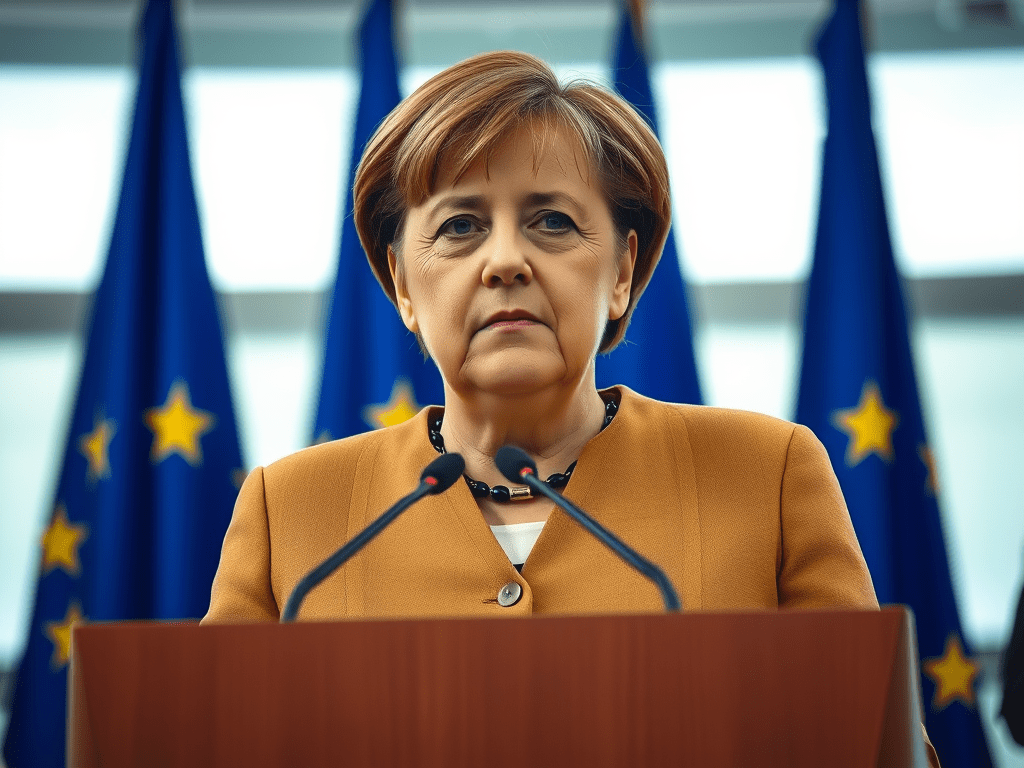
Angela Merkel’s new book, “Freiheit: Erinnerungen 1954–2021”, offers an in-depth reflection on her life and 16-year tenure as Germany’s first female Chancellor. Co-written with her long-time advisor Beate Baumann, the memoir spans Merkel’s early years in East Germany, her rise in the unified German political landscape, and her navigation of major global crises, including the Eurozone crisis, the refugee crisis, and the COVID-19 pandemic. The book provides personal insights into her decision-making processes, her interactions with world leaders, and her steadfast commitment to democracy and freedom. Through candid self-reflection, Merkel aims to highlight the challenges of political leadership and the values that guided her through some of the most defining moments of contemporary history.
Subscribe to get access
Read more of this content when you subscribe today.
One significant critique of Angela Merkel’s “Freiheit” is the complete absence of any discussion on the role of rating agencies during the global financial and Eurozone crises. Despite their immense influence on sovereign debt markets and the destabilizing effect of downgrades on countries like Greece, Merkel fails to acknowledge their impact or the broader systemic risks they posed. This omission suggests a lack of recognition of how deeply intertwined these agencies were with Europe’s financial turbulence. Moreover, Merkel’s government made no significant effort to challenge the dominance of U.S.-based rating agencies or to support the development of a European counterpart, which could have provided a more balanced and regionally nuanced perspective. By neglecting this critical aspect of the crisis, Merkel missed an opportunity to strengthen Europe’s financial sovereignty and reduce its vulnerability to external market forces, a strategic oversight that continues to resonate today.
In conclusion, while Angela Merkel’s leadership during the global financial crisis was marked by stability and pragmatism, it also revealed a reluctance to pursue bold, systemic changes. Her focus on short-term crisis management, fiscal austerity, and cautious international engagement contributed to a slower and uneven recovery within Europe. These shortcomings not only shaped the post-crisis landscape but also left unresolved vulnerabilities in the global financial system. Merkel’s legacy, though celebrated for crisis navigation, is also a reminder of the missed opportunities for deeper financial reform and stronger international cooperation.














 ^^^ RATING EVIDENCE GmbH
Leave a comment